
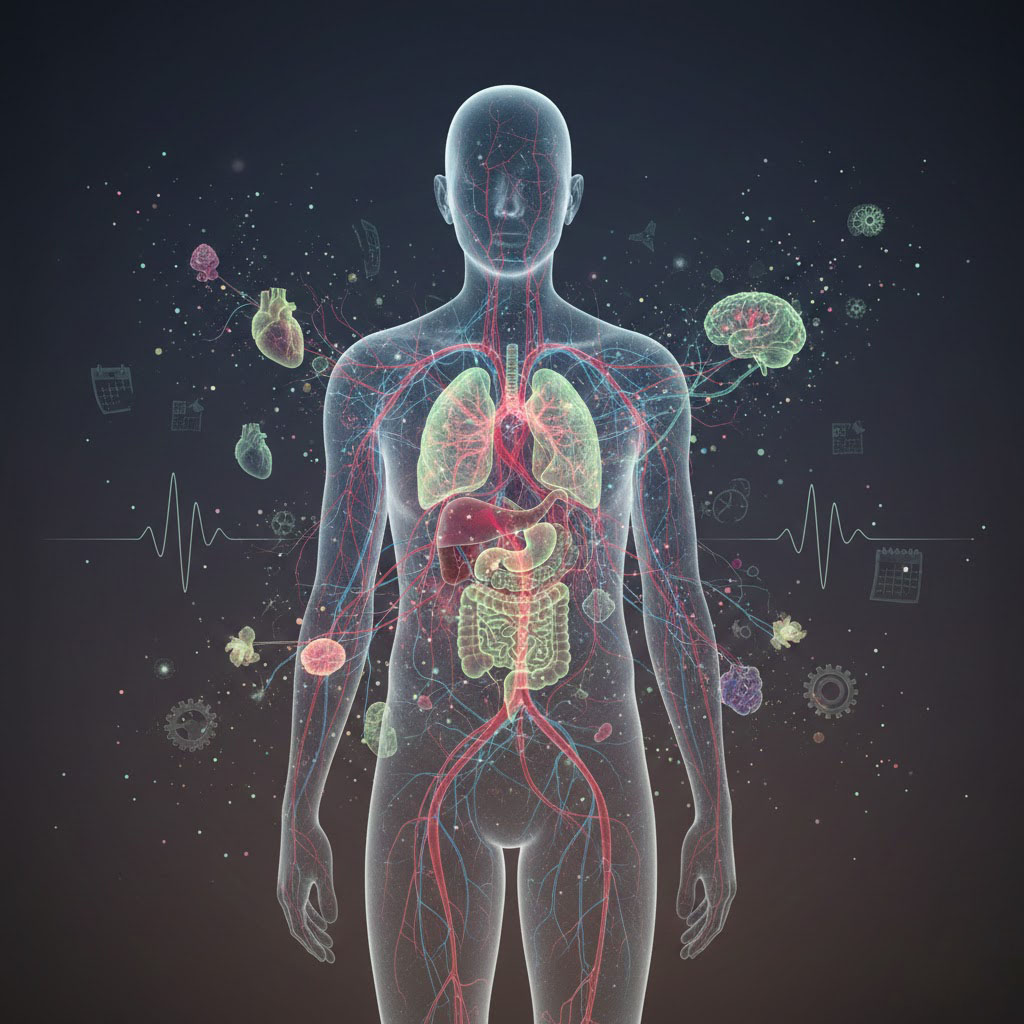
What Is Long COVID?
Long COVID describes ongoing health problems that persist or develop after the initial COVID-19 infection. These symptoms can last weeks, months, or years. Understanding what long COVID is, how common it is, and what symptoms to watch for can help you recognize when to seek medical care.
The Basic Definition
The CDC defines long COVID as a chronic condition that occurs after SARS-CoV-2 infection and is present for at least three months. The condition includes a wide range of symptoms or conditions that may improve, worsen, or be ongoing.
The World Health Organization uses similar criteria, defining it as symptoms continuing or developing three months after the initial infection, lasting for at least two months, with no other explanation.
Different organizations use slightly different timeframes. The CDC’s definition emphasizes evaluation starting at four weeks to allow for initial care during the early recovery period, while the WHO sets the onset at three months post-infection.
You might also hear long COVID called post-COVID conditions, post-acute sequelae of SARS-CoV-2 infection (PASC), long-haul COVID, or chronic COVID. These all refer to the same phenomenon.
How Common Is Long COVID?
Estimates of how many people develop long COVID vary based on how studies define it and which populations they examine.
A comprehensive review of 442 studies found that global prevalence is approximately 36% among people who had COVID-19. However, this includes everyone from those hospitalized to those with mild infections.
In the United States, surveys from 2022 found that about 7.2% of adults reported having long COVID at some point. More recent data shows the prevalence is now estimated at 6-7% in adults and about 1% in children.
Globally, at least 65 million people are estimated to have experienced long COVID based on data through 2023. This may be conservative, as it’s based on studies counting specific symptoms rather than all possible cases.
The numbers vary by geography. Studies show prevalence around 35% in Asia, 39% in Europe, 30% in North America, and 51% in South America, though these figures reflect different time periods and study methods.
Who Can Develop Long COVID?
Anyone who gets COVID-19 can develop long COVID, including children. You don’t need to have been hospitalized. You don’t even need to have known you were infected.
Research shows certain groups have higher risk. People who experienced more severe COVID-19 illness, especially those who were hospitalized, have increased likelihood. Women appear to develop long COVID more often than men. Older adults and people with underlying health conditions also face elevated risk.
However, these are just risk factors. Many people with long COVID had mild initial infections and no prior health problems.
Each time you’re infected with SARS-CoV-2, you have a risk of developing long COVID. Some research suggests risk may increase with repeated infections, though this is still being studied.
The Most Common Symptoms
Long COVID can affect almost every organ system. Patients have reported over 200 different symptoms, but certain ones appear more frequently.
Fatigue, brain fog, and post-exertional malaise are among the most commonly reported. Post-exertional malaise means your symptoms worsen after even minor physical or mental effort, typically 12 to 48 hours later.
A study of nearly 10,000 Americans identified 12 symptoms most useful for identifying long COVID. These include post-exertional malaise, dizziness, brain fog, gastrointestinal symptoms, heart palpitations, sexual issues, loss of smell or taste, thirst, chronic cough, chest pain, and abnormal movements.
Other frequently reported symptoms include shortness of breath, difficulty sleeping, headaches, muscle and joint pain, depression, anxiety, and chest tightness.
Symptoms can change over time. They may emerge, persist, resolve, and then reemerge. Some people develop new symptoms months after their initial infection.
How Long COVID Differs From Other Illnesses
Long COVID shares many similarities with other post-infection syndromes. It resembles post-Ebola syndrome and aftereffects of chikungunya virus infection. These conditions may share underlying mechanisms.
There’s significant overlap with myalgic encephalomyelitis/chronic fatigue syndrome (ME/CFS). Research estimates that about half of people with long COVID meet diagnostic criteria for ME/CFS. Both conditions often follow infections and involve similar biological changes.
Some people with long COVID experience symptoms similar to those seen in ME/CFS and other infection-associated illnesses. This includes difficulty having symptoms recognized and being believed by healthcare providers.
How Symptoms Impact Daily Life
Long COVID is a serious illness that can result in chronic conditions requiring comprehensive care and may cause disability. The impact varies widely from person to person.
Some people experience mild symptoms that are more annoying than limiting. Others face severe disability that prevents them from working or performing basic daily activities.
The fatigue isn’t ordinary tiredness. It doesn’t improve with rest. The brain fog can make it difficult to follow conversations, complete work tasks, or remember things you used to recall easily.
Post-exertional malaise means activities you could previously do without thinking can trigger days or weeks of worsened symptoms. This makes pacing and energy management crucial.
What Causes Long COVID?
The underlying mechanisms aren’t fully understood. Possible causes include viral persistence, immune dysfunction, blood clotting abnormalities, and autonomic nervous system problems.
Some research points to viral fragments remaining in tissues, triggering ongoing inflammation. Other studies suggest autoimmunity, where the immune system attacks the body’s own tissues after infection.
Problems with blood clotting, including tiny clots that don’t cause major events like strokes but impair organ function, have been identified in some patients.
Mitochondrial dysfunction, affecting how cells produce energy, may explain the profound fatigue many people experience.
Long COVID likely isn’t one single condition but rather multiple different problems that can occur after COVID-19 infection. Different people may have different underlying causes.
Diagnosing Long COVID
There’s no laboratory test that can definitively diagnose long COVID. Diagnosis is based on patient history, symptoms, and ruling out other explanations.
A positive SARS-CoV-2 test is not required for diagnosis. Many people develop long COVID after infections they didn’t know they had or couldn’t confirm with testing.
Clinical evaluations, blood tests, chest X-rays, and electrocardiograms may all come back normal in someone with long COVID. This can make getting a diagnosis frustrating.
Doctors consider long COVID based on your symptom timeline, the pattern and type of symptoms, and whether other conditions have been ruled out.
The Course of Long COVID
However, recovery is slower for those still experiencing symptoms at 12 weeks. For some people, particularly those meeting criteria for ME/CFS, symptoms may be lifelong.
Recovery isn’t linear. Symptoms often fluctuate in intensity. Good days and bad days are common. Some symptoms may resolve while others persist or new ones emerge.
Prevention and Risk Reduction
COVID-19 vaccination is the best available tool to prevent long COVID. Studies show vaccination reduces the risk of developing long COVID, including in children.
Preventing infection in the first place remains the most effective approach. This includes improving ventilation, avoiding contact with infected people, and using masks in high-risk situations.
Early treatment during acute COVID may reduce long COVID risk, though more research is needed. Preventing severe outcomes through vaccination and treatment appears to help.
Current Treatment Approaches
There are no validated effective treatments specifically for long COVID as of 2025. Management focuses on symptom relief and supporting quality of life.
Primary care providers can manage long COVID using patient-centered approaches. This includes validating symptoms, focusing on the most bothersome issues, and creating comprehensive care plans.
Treatment is tailored to specific symptoms. Medications can help with cough, headaches, anxiety, and depression. Physical therapy may help with movement issues. Pulmonary rehabilitation can improve breathing.
For post-exertional malaise, rest and pacing strategies are recommended. This means learning to balance activity with rest and avoiding pushing through symptoms.
People with severe symptoms or those who were in intensive care may need multidisciplinary care from teams of specialists.
The Broader Impact
Approximately one in ten people who develop long COVID stop working, resulting in significant economic losses beyond the personal health impact.
Living with long COVID can be difficult and isolating, especially when there are no immediate answers or solutions. The condition affects not just physical health but mental health, relationships, and overall quality of life.
Despite affecting millions of people globally, long COVID hasn’t received the same level of attention and resources as the acute pandemic. Delays in care and support can prolong and worsen symptoms.
Disability Recognition
Long COVID can qualify as a disability under the Americans with Disabilities Act. The condition can substantially limit one or more major life activities.
Documentation for disability claims requires medical evidence. Healthcare providers play an important role in documenting symptoms, functional limitations, and how long COVID affects daily activities.
Research and Understanding
The CDC and other agencies are working to better understand long COVID, including who develops it, why, and how to prevent and treat it.
Studies are examining prevalence, mechanisms, duration, severity, and risk factors. Research into treatments is ongoing, with new approaches being developed as understanding improves.
The definition of long COVID continues to evolve as data accumulates and knowledge grows. What we understand today will likely be refined in coming years.
When to Seek Medical Care
If you continue experiencing symptoms weeks or months after COVID-19 infection, talk with your healthcare provider. Don’t wait for symptoms to become severe.
Bring a written list of your symptoms, when they started, and how they affect your daily life. Track patterns in what makes symptoms better or worse.
If your regular doctor isn’t familiar with long COVID, consider seeking a provider experienced with post-viral conditions or chronic fatigue syndrome. Some medical centers now have dedicated long COVID clinics.
Support and Community
Long COVID support groups exist both locally and online. Connecting with others who understand what you’re experiencing can provide practical advice and emotional support.
Patient advocacy groups are working to increase awareness, push for research funding, and improve access to care. These organizations can provide resources and help you navigate the healthcare system.
March 15 is International Long COVID Awareness Day, established to raise awareness about the condition and its impact on individuals and communities worldwide.